
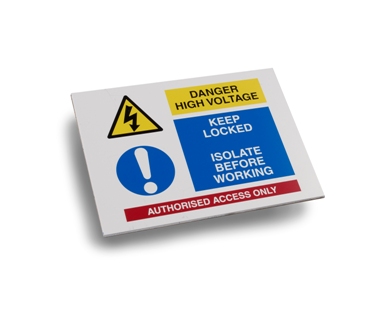
Heavy Machine Nameplates: What to Consider Before You Specify
Heavy machinery operates in some of the toughest industrial environments imaginable.
From construction sites and agricultural equipment to manufacturing and material handling, machinery is constantly exposed to abrasion, moisture, chemicals, vibration and extreme temperatures.
In these conditions, durable and legible machine nameplates are not simply a finishing detail; they are a critical part of safe and efficient operation.
For engineers, OEMs and procurement teams, specifying the correct metal nameplates from the outset can help avoid premature failure and costly replacements later on.
In this article, we’ll explore the key considerations when selecting machine nameplates for heavy-duty industrial applications and share how our expert team can support you in making your design decisions.
Why Durable Machine Nameplates Matter
In demanding industrial environments, machinery identification needs to remain clear and permanent for many years.
This type of equipment is often subjected to continuous use, extreme weather conditions, harsh cleaning processes and exposure to oils or abrasive chemicals. Standard labels may quickly deteriorate under these conditions, making durable equipment nameplates essential.
Machine nameplates serve several important functions, including:
- Equipment identification and traceability
- Safety communication
- Compliance with industry regulations
- Maintenance and servicing support
- Asset management and inventory tracking
In sectors like construction, mining, agriculture and manufacturing, machinery may remain on the front line for long periods of time. Over years of use, operators and service engineers still need clear access to important technical information.
Because illegible or detached labels can lead to operational downtime, replacement costs and avoidable safety risks.
For this reason, selecting robust metal nameplates that are designed specifically for the intended environment is an important part of the specification process.
What Information Should Equipment Nameplates Include?
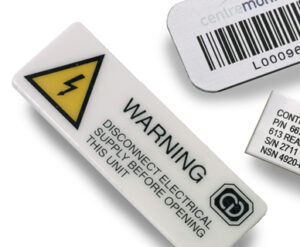
The information displayed on machine nameplates will vary depending on the application, but many industrial labels include a combination of technical, operational and regulatory data.
Common information found on equipment nameplates includes:
- Serial numbers
- Manufacturer details
- Safety warnings
- CE or UKCA markings
- Maintenance or inspection information
- QR codes or barcodes for asset tracking
The readability of this information is essential throughout the equipment’s operational lifecycle.
So, when we’re looking at specifying machine nameplates, it is important to consider not only the layout and content, but also the methods used to ensure the information remains permanent and resistant to wear.
Material Selection: Choosing the Right Metal Nameplates
Selecting the right materials plays a major role in determining the lifespan and durability of nameplates across a wide range of sectors and conditions.
Different environments demand different performance characteristics, so the choice of material should always be guided by the operating conditions.
Aluminium nameplates
Aluminium is widely used for machine nameplates because it offers a strong balance of durability, corrosion resistance and versatility. Robust and weatherproof, aluminium also performs well in many outdoor industrial environments.
This makes aluminium metal nameplates an excellent long-term solution for a diversity of applications.
Anodised aluminium nameplates
Anodised aluminium offers additional protection through a process that involves the aluminium being electrically charged with a sulphuric acid and electrolyte bath. Once sealed, these nameplates are extremely durable and corrosion-resistant.
One of the major benefits of anodised aluminium is that graphics and information can be sealed beneath the anodised layer, helping protect the print from:
- Abrasion
- UV exposure
- Chemicals
- General wear and tear
This makes anodised aluminium particularly suitable for heavy-duty equipment nameplates exposed to demanding industrial conditions.
Stainless steel nameplates
For harsh and challenging environments, stainless steel nameplates are exceptionally suited. Stainless steel provides excellent resistance to:
- Chemicals
- Corrosion
- Temperature extremes
- Abrasion
This level of durability is achieved through a specialised process called chemical etching. During this process, an acid solution is used to create designs on the steel, resulting in a permanent marking solution.
In turn, this makes stainless steel ideal for high-demand applications where durability and longevity are critical.
Environmental and Operational Considerations
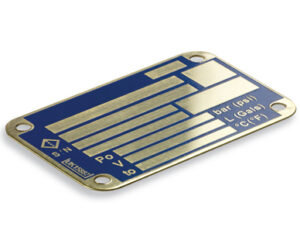
One of the most important aspects of specifying machine nameplates is understanding the environment in which the machinery will operate.
A nameplate that performs perfectly indoors may fail quickly when exposed to outdoor weather, chemicals or high temperatures. Engineers and procurement teams should therefore assess all environmental factors before selecting materials and finishes.
Key considerations include:
Exposure to weather and UV
Outdoor machinery is exposed to rain, sunlight, temperature extremes and moisture. UV-resistant materials and finishes are essential to prevent fading or degradation over time.
Chemicals and oils
Industrial equipment may come into contact with fuels, solvents or cleaning chemicals. Certain materials and printing methods offer greater chemical resistance than others.
Abrasion and mechanical wear
Heavy machinery often operates in abrasive environments where surfaces experience regular friction, impact or contact with debris. Nameplates must withstand this wear and tear without becoming illegible.
Cleaning processes
Equipment used in food production, medical or industrial processing may undergo aggressive cleaning procedures to remain compliant with safety standards. In these cases, highly durable materials and fixing methods are especially important.
By aligning the nameplate specification with the environment in which it will operate, manufacturers can significantly extend the service life, as well as reduce the risk of issues with maintenance.
Attachment Methods for Heavy Machinery Nameplates
Selecting the correct fixing method is just as important as choosing the right material. Even the most durable metal nameplates can fail prematurely if they are not securely attached.
Several attachment options are commonly used for industrial equipment nameplates.
Industrial adhesives
High-performance adhesives can provide strong bonding for many applications. However, the adhesive must be compatible with the operating environment, temperature range and material selected.
Mechanical fixings
Mechanical fixings, including bolts, screws, rivets, and anchors, are designed to withstand environmental stressors and mechanical loads. They can significantly enhance the durability of the final product in rugged conditions.
The correct fixing method helps ensure equipment nameplates remain securely attached throughout the machinery’s lifespan.
Legibility and Design Considerations
A durable nameplate is only effective if the information on it remains easy to read.
Good design plays an important role in ensuring machine nameplates communicate information clearly and efficiently. Poor readability can lead to day-to-day operational errors and compliance issues.
Important design considerations include:
- Appropriate font sizing
- Clear contrast between text and background
- Logical information layout
- Sufficient spacing for readability
- Durable etching and printing methods
- Resistance to fading and scratching
The specification process should balance durability with usability to ensure information remains accessible throughout the life of the equipment.
Compliance and Industry Standards
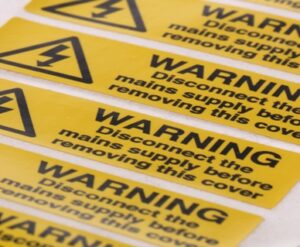
Many industries require machinery to display specific regulatory and safety information. As a result, equipment nameplates play an important role in supporting compliance obligations.
Durable metal nameplates help ensure this information remains visible and compliant in the long term, even in harsh environments.
Failure to maintain legible identification and safety information can create challenges during inspections, servicing or audits, making specification quality especially important for OEMs and industrial manufacturers.
Why Work with a Specialist Nameplate Manufacturer?
Heavy-duty industrial applications require more than off-the-shelf, standard labels.
Working with an experienced nameplate manufacturer can help ensure everything from the materials and finishes to the fixing methods is properly aligned with the application and is designed to last.
At GSM Graphic Arts, we work with manufacturers and engineers to produce durable machine nameplates designed for demanding industrial environments. With decades of expertise, our team can help guide the specification process so that we can achieve long-term performance.
Ensuring Long-Term Durability and Compliance
Heavy machinery requires identification solutions that are built to last.
From selecting the right metal nameplates and fixing methods to considering environmental exposure and compliance requirements, careful specification is essential for long-term durability and performance.
That’s why investing in the correct nameplate solutions from the outset can help reduce maintenance issues, improve traceability and support operational safety for years to come.
So if you are specifying durable industrial nameplates for heavy machinery applications, our team can help you identify the right solution for your specific environment and performance expectations. Contact us today to discover how we can support your project.