
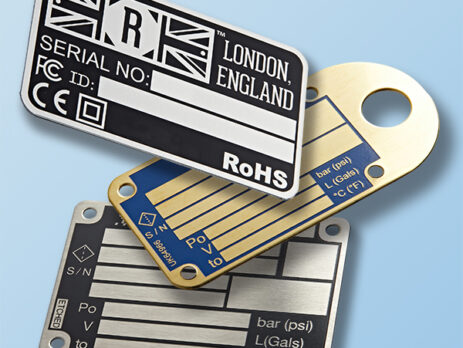
Label Design for the Entire Product Lifecycle: From Manufacturing to End-of-Life
For many manufacturers, labels are still viewed primarily as a final touch that’s applied at the end of production.
The reality is very different. Labels are operational assets that play a critical role throughout a product’s entire lifecycle. From manufacturing and logistics to long-term use and eventual disposal, labels support traceability, compliance, safety, branding and usability at every stage.
When labels fail prematurely, the consequences extend far beyond aesthetics. Production delays, scanning failures, compliance risks, warranty disputes, and unnecessary waste can all stem from poor lifecycle planning.
That’s why modern manufacturers are increasingly taking a more strategic approach to label design. Instead of designing labels solely for appearance or short-term performance, they are considering how labels will behave across the full lifespan of a product.
This is where a consultative approach becomes essential.
At GSM Graphic Arts, effective label solutions are engineered around real-world environments, operational demands, and long-term durability, ensuring performance from manufacturing to end-of-life.
Why Lifecycle Thinking Matters in Label Design
During its lifetime, a product will likely move through a series of environments and handling conditions. A label applied in a clean production environment may later encounter moisture, UV exposure, temperature fluctuations, abrasion, chemicals, or extended outdoor use.
Without proper lifecycle planning, even well-printed labels can fail under these conditions.
This is why lifecycle-focused label design has become increasingly important across a wide range of industries, including automotive, electronics, industrial manufacturing, medical devices, chemicals, and consumer goods.
Labels are no longer expected to only look good when they’re first applied; they must continue functioning reliably for months and years to come.
A well-designed label supports:
- Product identification
- Regulatory compliance
- Traceability
- User safety
- Logistics efficiency
- Brand consistency
- Sustainability initiatives
On the flip side, poor label performance can create potentially catastrophic disruptions at multiple stages of the supply chain.
For manufacturers, this shifts the conversation around the label printing process from a procurement exercise to a more strategic engineering decision.
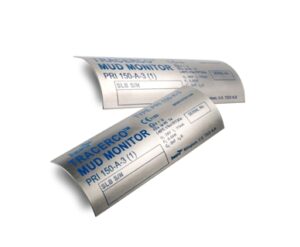
Labels as Critical Components During Manufacturing
The manufacturing stage is often where label performance challenges first emerge.
Labels are routinely exposed to demanding production environments involving extreme heat, oils, solvents, friction and frequent handling. If labels are not designed appropriately for these conditions, failures can occur before products even leave the facility.
Even minor performance issues can have significant consequences. A barcode that becomes smudged during production or a label that becomes loose from its surface not only interrupts workflows and delays shipments, but it can also create traceability gaps and introduce safety risks.
This is why material selection and adhesive compatibility are so important early in the design phase.
Factors such as:
- The label’s environment
- Application temperature
- Exposure to chemicals
- Cleanliness
- Surface energy
- Print method
… all influence long-term label performance.
Experienced label manufacturing companies understand that successful labels are rarely ‘one-size-fits-all’. Instead, labels should be engineered around the realities of the production environment in which they will operate.
At GSM Graphic Arts, this consultative process helps customers identify potential risks before production begins, reducing costly rework and improving reliability from the outset.
Designing Labels for Logistics and Distribution
A label that performs perfectly on the production line can still fail halfway through the supply chain.
Condensation during cold storage, abrasion during transit, or warehouse handling can gradually compromise clarity and adhesion, creating problems long before the product reaches the end user.
During their lifecycle, labels may experience:
- Temperature extremes
- Humidity and condensation
- Friction during transit
- Outdoor storage
- Long warehouse dwell times
- Frequent handling and scanning
This is particularly critical for industries relying on barcode scanning and automated logistics systems. Because what begins as a small print durability issue can quickly create delays, traceability gaps, and additional operational costs.
Durability, therefore, becomes a central consideration within the label design process.
Manufacturers must carefully evaluate:
- Material selections
- Adhesive properties
- Protective laminates
- Longevity of printing processes
- Environmental resistance
- Regulatory marking requirements
The most effective label printing process considers these variables long before these labels are applied in their field.
Long-Term Label Performance in Real-World Use
For many products, the label’s job is only just beginning once the product reaches the end user.
Industrial equipment, electronics, automotive components, and medical devices may rely on labels lasting throughout their operational lifespan, which could be years.
During this time, labels may continue serving critical functions, such as:
- Safety communication
- Regulatory identification
- Asset tracking
- Maintenance instructions
- Serial number identification
- Warranty validation
An equipment label fixed to outdoor industrial machinery may spend years exposed to direct sunlight, cleaning chemicals, and abrasion from routine servicing.
Labels across a wide range of applications are exposed to some of the harshest operating conditions imaginable, including heat exposure, oils and solvents and frequent handling.
And choosing the wrong materials and adhesives means labels can fade, crack, detach or become unreadable over time.
This creates not only operational issues but also potential compliance and safety risks, which is why testing for long-term performance in specific environments is so important during label development.
Rather than simply selecting materials based on appearance or cost, manufacturers will benefit from working with label specialists who understand how labels will perform in the real world.
At GSM Graphic Arts, our focus is on developing application-specific solutions tailored to each customer’s lifecycle requirements. By understanding environmental exposure, application methods, and performance expectations early in the process, labels can be engineered for durability, rather than short-term functionality alone.
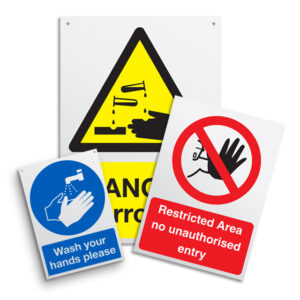
Sustainability and End-of-Life Considerations
As sustainability becomes an increasingly important priority for manufacturers, labels are also receiving greater scrutiny within lifecycle analysis and environmental planning.
Until more recently, labels have traditionally been considered a minor element in packaging. Today, however, manufacturers recognise the importance of label materials, adhesives and application methods and their influence on recyclability and waste reduction efforts.
This had led to growing interest in:
- Limiting landfill contribution by investing in responsible waste disposal
- Reducing material waste throughout the supply chain
- Recycling all raw materials and chemical waste from production processes
- Ensuring waste is managed efficiently and responsibly
- Compatibility with circular economy goals
Because sustainable label design is not simply about selecting environmentally preferable materials. A label that fails prematurely and requires relabelling, product replacement, or additional transport can ultimately increase waste across the wider supply chain.
Lifecycle planning, therefore, plays an important role in balancing durability, compliance and environmental responsibility.
By involving label specialists earlier in the development process, manufacturers can make more informed decisions about material compatibility, application methods, and end-of-life considerations.
This proactive approach helps reduce waste while supporting both operational and sustainability goals.
How Lifecycle Planning Reduces Operational Risk
Perhaps the greatest advantage of lifecycle-focused label design is risk reduction.
When labels are engineered specifically for the environment they will encounter, manufacturers can significantly reduce the likelihood of things like breakdowns in traceability, compliance failures and shipping disruptions.
Too often, label failures are only addressed reactively after operational problems arise.
Fortunately, involving experienced label manufacturing companies earlier in the product development process enables businesses to identify vulnerabilities before they become expensive issues.
An effective label strategy considers:
- Environmental exposure
- Product lifespan
- Surface compatibility
- Regulatory requirements
- User interaction
- Logistics conditions
- Sustainability targets
When these factors are evaluated holistically, manufacturers gain labels that not only meet immediate production requirements but continue delivering performance throughout the product lifecycle.
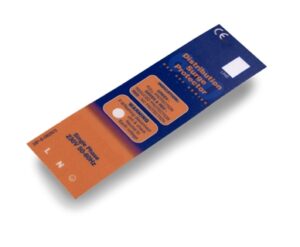
Engineering Labels for Long-Term Performance
Labels may be small components within a larger product ecosystem, but their impact can be significant.
By planning labels around the full lifespan of a product, manufacturers can improve durability, reduce operational risk, support sustainability initiatives, and create more resilient supply chains.
At GSM Graphic Arts, we work closely with customers to develop label solutions engineered for real-world performance, from manufacturing through to end-of-life. Through a consultative, application-focused approach, we help businesses design labels that perform reliably wherever and however they are used.
Contact us today to discuss label solutions engineered for durability, compliance, and long-term lifecycle performance.